
Tick-Tock: Exploring the Value in Watches
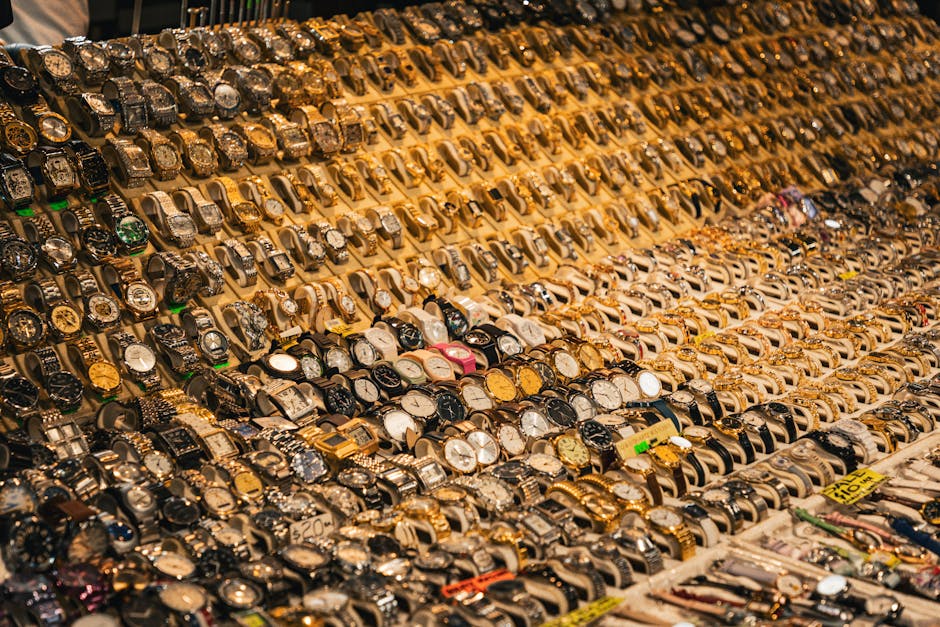
The world of watches presents a vast spectrum, from budget-friendly options to ultra-luxurious investments. But what truly separates a $100 watch from a $10,000 one? It’s more than just a name. Let’s delve into the key factors that drive the price difference and help you decide what makes sense for you.
A Tale of Two Timepieces: Construction and Care
Imagine two watches side-by-side. One, a sleek, modern design from a well-known, accessible brand. The other, a classic, intricately detailed piece from a prestigious Swiss manufacturer. While both tell time, their construction stories are vastly different. Affordable watches often utilize machine-made components and streamlined assembly processes. Think of it like a mass-produced car – efficient and reliable. Luxury watches, conversely, often involve a significant amount of handcrafting. Consider the intricate polishing of a case or the hand-assembly of a complex movement. This level of detail demands skilled artisans and significantly increases production time and cost.
Durability and Dependability: Long-Term Investment
While modern manufacturing has made even budget watches relatively reliable, the long-term durability often sets luxury watches apart. A luxury watch movement is built to withstand years, even decades, of use with proper servicing. They often undergo rigorous testing and regulation to ensure accuracy and precision. Think of it like comparing a basic bicycle to a high-end mountain bike. Both will get you from point A to point B, but the mountain bike is built to handle rough terrain and last longer under demanding conditions. For example, a Rolex Submariner is known for its robustness and ability to perform reliably in challenging environments, a testament to its superior construction.

Material Choices: Where the Money Goes
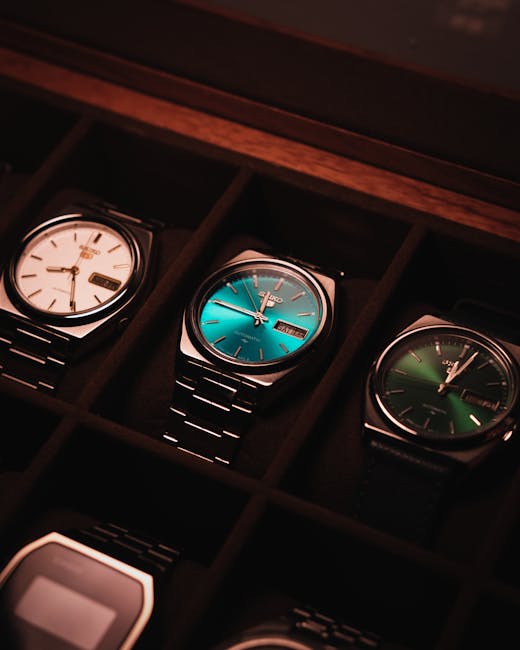
The materials used in a watch dramatically impact its price. Luxury watches frequently incorporate precious metals like gold, platinum, or titanium, which are not only aesthetically pleasing but also highly durable and corrosion-resistant. Sapphire crystals, virtually scratch-proof, are another hallmark of luxury. Consider the difference between a stainless steel case and one made of 18k gold. The gold case not only carries the inherent value of the metal but also requires specialized techniques to work with, adding to the overall cost. On the other hand, affordable watches typically use materials like stainless steel, mineral crystals (more prone to scratches), and less intricate dial designs.
The Heart of the Matter: The Movement
The movement, the watch’s engine, is where the most significant differences often lie. Luxury brands often develop and manufacture their own movements in-house. These movements can feature intricate complications like chronographs (stopwatches), perpetual calendars (automatically adjusting for leap years), or tourbillons (a mechanism to counteract the effects of gravity on accuracy). These complications require immense skill and precision to create. In contrast, affordable watches generally use movements sourced from large manufacturers like Seiko (Japan) or Miyota (Japan). These movements are reliable and cost-effective but lack the hand-finishing and complexity of their luxury counterparts. Think of it as the difference between a custom-built engine and a mass-produced one.
Price and Perception: The Value Equation
The price of a luxury watch is determined by a complex interplay of factors, including the cost of materials, labor, research and development, marketing, and, importantly, brand prestige. Limited production runs can also drive up demand and price. Affordable watches benefit from economies of scale, allowing them to offer lower prices.
Making the Right Choice for You
Ultimately, the best watch for you depends on your individual needs, preferences, and budget. If you appreciate exceptional craftsmanship, intricate mechanics, and long-term durability and view a watch as an heirloom, a luxury watch might be a worthwhile investment. If you prioritize affordability, functionality, and a stylish everyday accessory, an affordable watch can be an excellent choice. Remember, a watch is a personal statement, so choose one that resonates with you.
Final Thoughts
The divide between luxury and affordable watches is substantial, encompassing differences in materials, construction, reliability, and brand perception. By understanding these distinctions, you can make an informed decision based on your individual priorities. Whether you opt for a meticulously crafted luxury timepiece or a practical and affordable everyday watch, the most important thing is to select a watch that you value and enjoy wearing – a watch that speaks to your personal style and aspirations.
If you want a practical next step, you can also check out Get the best book with practical guides on digital communication essentials.
If you want a practical next step, you can also check out Become an Ultimate Master of your life.