
From Russian Time Zones to African Cinema: A Journey Through Trivia and Storytelling
The Russian Federation: A Nation Spanning Epochs in a Single Day
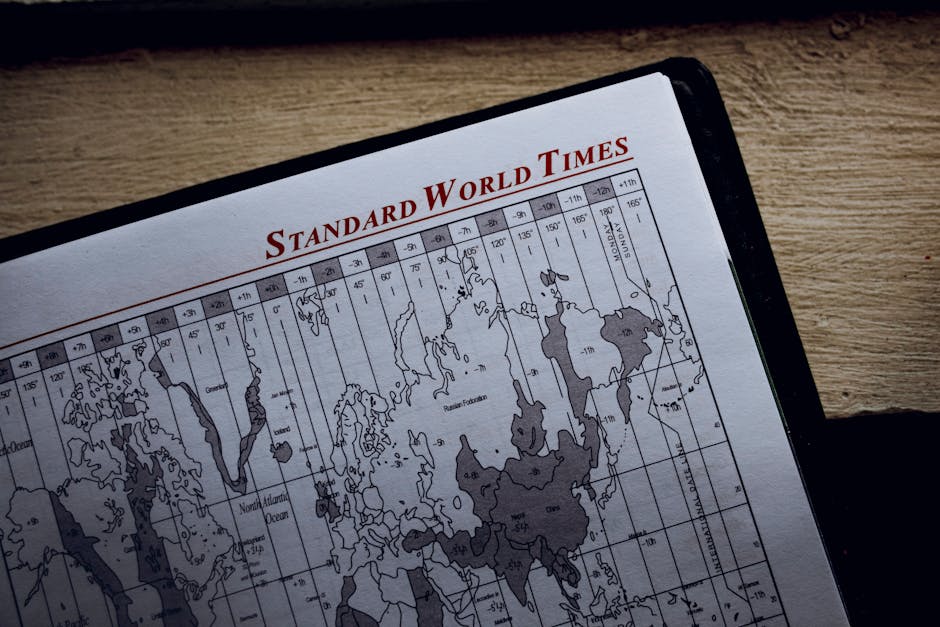
Imagine a country so vast that while one of its regions slumbers in the darkness of night, another basks in the full glory of daylight. This is the reality within Russia, a nation uniquely divided into eleven distinct time zones. This incredible spread isn’t just a geographical oddity; it’s a fundamental aspect of Russian life, influencing everything from business operations to family communication. Consider the challenge of coordinating a video conference between Moscow and Vladivostok – a logistical puzzle that highlights the sheer scale of the country.
The Historical Tapestry of Russian Time
The current time zone configuration is a product of Russia’s expansive history, reflecting centuries of territorial acquisitions and evolving governance strategies. Initially, local solar time dictated daily rhythms, leading to a patchwork of regional variations. The need for standardization emerged with the rise of industrialization and the development of nationwide infrastructure. The construction of the Trans-Siberian Railway, for example, necessitated a cohesive timekeeping system to ensure efficient scheduling and prevent logistical chaos. The result is the intricate system of eleven time zones that we see today, balancing local accuracy with national coherence. By understanding this historical context, we gain a deeper appreciation for the complexities of managing such a vast and diverse nation.
Reflecting on the challenges of coordinating activities across these vast time differences prompts us to consider the flexibility of our own schedules and the impact of time on global interactions.
African Cinema: A Continent’s Stories on the Silver Screen
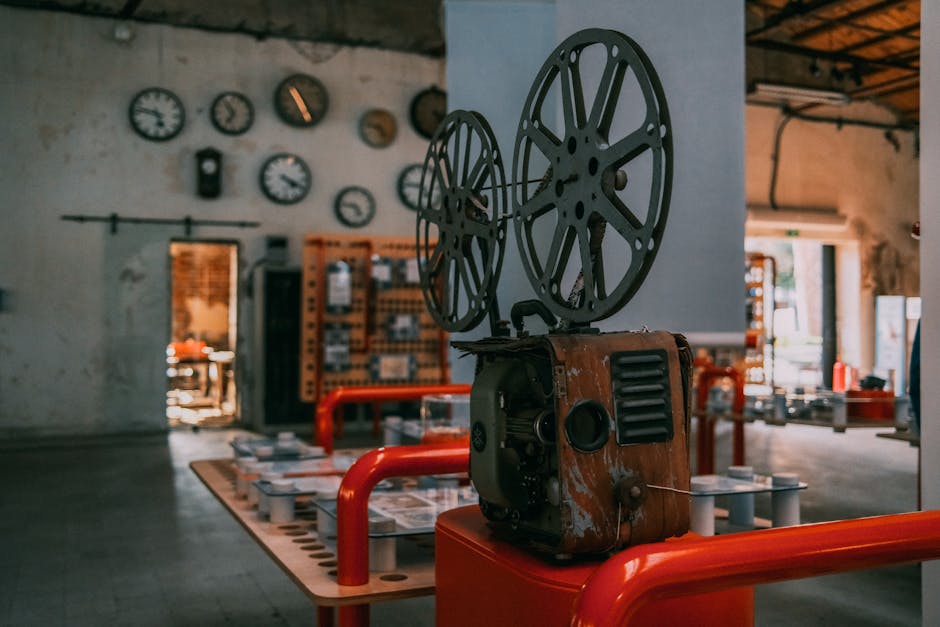
Shifting our focus from the temporal expanse of Russia to the cultural richness of Africa, we encounter a cinematic landscape brimming with diverse narratives and artistic voices. African cinema is far from a homogenous entity; it’s a kaleidoscope of films reflecting the continent’s myriad cultures, languages, and lived experiences. From the dynamic energy of Nollywood productions to the poignant storytelling of independent filmmakers, African cinema offers a powerful and often overlooked perspective on the human condition. It’s a vibrant tapestry woven with threads of history, social commentary, and artistic innovation.
Recurring Themes and Artistic Influences
Several compelling themes resonate throughout African cinema. The impact of colonialism and its enduring legacy is a recurring motif, often intertwined with explorations of social injustice, economic disparity, and political upheaval. However, African filmmakers also celebrate the beauty of their cultural heritage, the strength of their communities, and the indomitable spirit of their people. Traditional music, dance, and oral storytelling traditions are frequently integrated into these films, adding layers of depth and authenticity to the narratives. These elements create a unique cinematic language that speaks directly to the African experience.
Pioneering Filmmakers and Landmark Films
African cinema is enriched by the contributions of numerous talented filmmakers who have pushed boundaries and challenged conventional storytelling. Consider these influential figures:
- Safi Faye (Senegal): One of the first African women to direct a feature film, Faye’s work explored the lives of rural women and the challenges they faced in a patriarchal society.
- Haile Gerima (Ethiopia): Gerima’s films often tackle themes of race, class, and social justice, drawing on his own experiences as an African immigrant in the United States.
- Abderrahmane Sissako (Mauritania): Sissako’s films are known for their poetic visuals and insightful explorations of identity, displacement, and cultural conflict.
By immersing ourselves in the works of these and other African filmmakers, we gain a profound understanding of the continent’s history, culture, and the complexities of contemporary life.
The Expanding Horizons of African Cinema
Despite facing persistent challenges such as limited funding, distribution hurdles, and underrepresentation in mainstream media, African cinema is experiencing a surge of creativity and innovation. The emergence of new technologies, online streaming platforms, and international film festivals is providing filmmakers with unprecedented opportunities to reach global audiences and share their stories with the world. The future of African cinema is bright, promising a continued stream of compelling, thought-provoking, and culturally significant films that will captivate and inspire audiences for generations to come.
| Aspect | Details |
|---|---|
| Common Topics | Post-colonial struggles, identity, socio-economic issues, traditions |
| Filming Styles | Documentaries, fictional narratives, experimental works |
If you want a practical next step, you can also check out Heal your past, design your future.
If you want a practical next step, you can also check out Become an Ultimate Master of your life.