
Tretinoin 101: A Comprehensive Guide to Starting and Succeeding with This Powerful Retinoid
Tretinoin: Your Personalized Path to Radiant Skin
Tretinoin, a vitamin A derivative, stands out as a powerful tool for achieving clearer, younger-looking skin. While its benefits are well-documented, navigating the world of tretinoin can feel overwhelming. This guide offers a practical, personalized approach to help you understand if tretinoin is right for you and how to use it effectively.
Is Tretinoin Right for You? A Self-Assessment
Tretinoin isn’t a one-size-fits-all solution. Consider these factors to determine if it aligns with your skincare goals:
- Skin Concerns: Are you primarily concerned with acne, fine lines, wrinkles, or uneven skin texture? Tretinoin excels at addressing these issues.
- Skincare Experience: Have you consistently used active ingredients like salicylic acid or glycolic acid? If so, your skin may be better prepared for tretinoin.
- Lifestyle: Are you committed to daily sunscreen use and consistent skincare? Tretinoin requires dedication and sun protection.
Example: Imagine you’ve been using a salicylic acid cleanser and a vitamin C serum for several months and are still struggling with persistent acne. Tretinoin might be the next logical step.
Creating Your Tretinoin Roadmap: A Gradual Introduction
Starting tretinoin is like learning a new skill – it requires patience and a gradual approach. Avoid the temptation to jump in headfirst. Here’s a structured plan:
1. Patch Test: Your Skin’s Safety Net
Before applying tretinoin to your entire face, perform a patch test. Apply a small amount to a discreet area, such as behind your ear, for a few days to check for any adverse reactions.
2. The “Sandwich Method”: Buffering the Intensity
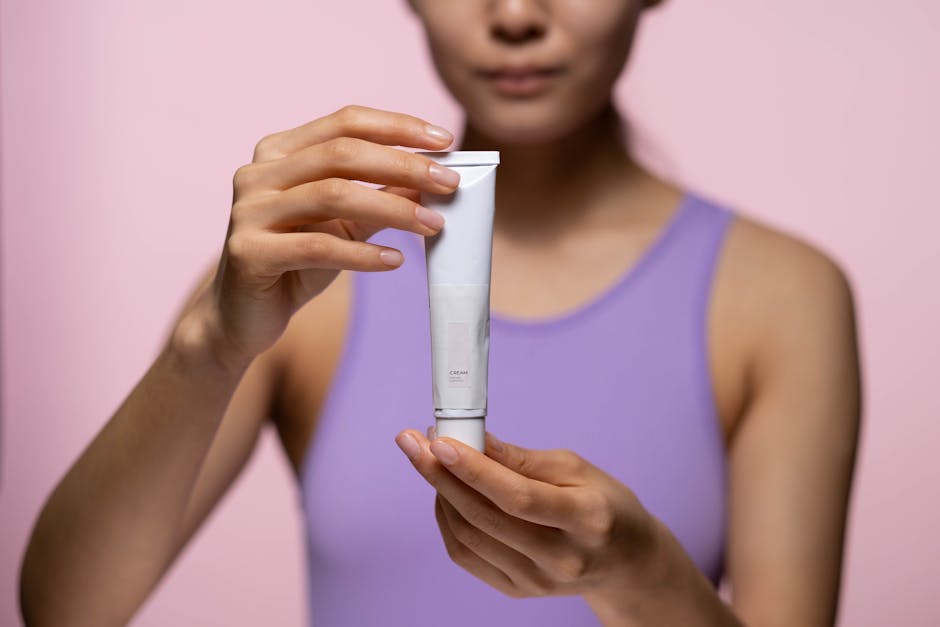
Apply a thin layer of moisturizer to your clean, dry skin. Then, apply a pea-sized amount of tretinoin. Follow with another layer of moisturizer. This “sandwich method” helps to minimize irritation by creating a barrier between the tretinoin and your skin.
3. Timing is Everything: Nighttime Application
Tretinoin is best applied at night, as it can make your skin more sensitive to sunlight. Incorporate it into your evening skincare routine after cleansing and before moisturizing.
4. Listen to Your Skin: Adjusting Frequency
Start with once or twice a week and gradually increase the frequency as your skin tolerates it. Pay close attention to any signs of irritation, such as redness, dryness, or peeling. If irritation occurs, reduce the frequency or take a break from tretinoin altogether.
Navigating the Adjustment Period: Managing Side Effects
Expect some initial side effects as your skin adjusts to tretinoin. This is a sign that the product is working, but it’s important to manage these effects to avoid discomfort and maintain consistency.
- Dryness: Combat dryness with a rich, hydrating moisturizer and consider using a facial oil at night.
- Peeling: Avoid picking or scrubbing your skin. Gently exfoliate with a soft washcloth or konjac sponge to remove dead skin cells.
- Breakouts: Increased breakouts are common in the initial stages. Resist the urge to pick at them, as this can lead to scarring. Use a spot treatment containing benzoyl peroxide or salicylic acid to target individual blemishes.
Long-Term Success: Maintaining Your Results
Once your skin has adjusted to tretinoin and you’re seeing the desired results, it’s important to establish a maintenance routine to preserve your progress.
- Sunscreen is Your Best Friend: Continue to use sunscreen daily, even on cloudy days.
- Simplify Your Routine: Focus on gentle, hydrating products and avoid harsh exfoliants.
- Maintenance Frequency: Gradually reduce the frequency of tretinoin application to a maintenance dose, such as two to three times per week.
Important Considerations and Precautions
Keep these points in mind when using tretinoin:
- Pregnancy and Breastfeeding: Tretinoin is contraindicated during pregnancy and breastfeeding.
- Interactions: Avoid using tretinoin with other potentially irritating ingredients, such as benzoyl peroxide or vitamin C, unless directed by a dermatologist.
- Consult a Dermatologist: If you have any concerns or experience severe side effects, consult a dermatologist.
This guide provides general information and is not a substitute for professional medical advice. Always consult with a dermatologist or healthcare provider before starting any new skincare regimen.
If you want a practical next step, you can also check out Get the best book with practical guides on digital communication essentials.
If you want a practical next step, you can also check out Become an Ultimate Master of your life.