
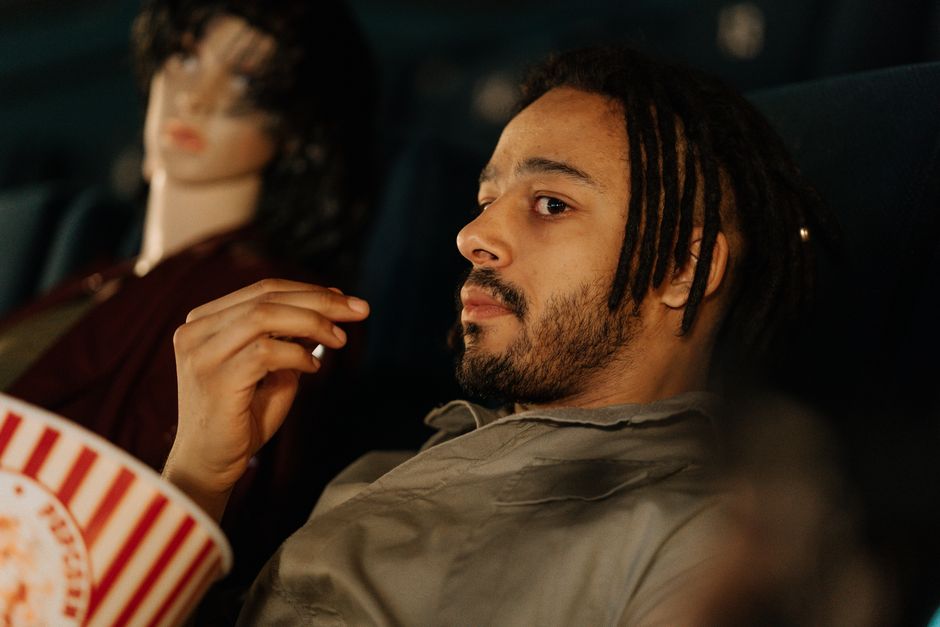
African Cinema’s New Dawn: 5 Stories That Reshape the Narrative
Beyond Borders: The Universal Language of Modern African Film
The conversation around African cinema is shifting. It’s no longer just about correcting outdated portrayals or ‘showing the real Africa.’ Instead, a confident new generation of filmmakers is claiming its place in the global cinematic landscape by telling stories that, while deeply rooted in specific cultural contexts, resonate with profound, universal human themes. From Zambia to Nigeria, these creators are leveraging the global reach of streaming platforms not just to showcase their worlds, but to explore the fundamental questions of justice, love, ingenuity, and societal critique that connect us all. This is not a regional cinema asking to be seen; it is world cinema, confidently speaking from an African perspective.
The Search for Justice and Redemption
At the core of many powerful stories lies a quest for justice, whether it’s a personal journey toward redemption or a collective cry against systemic wrongs. African filmmakers are exploring this theme with nuance and creativity.
Personal Atonement on Johannesburg’s Streets
Gavin Hood’s Oscar-winning film Tsotsi is a masterclass in character-driven drama. While set against the stark reality of post-apartheid South Africa, its central narrative is a timeless one: the story of a hardened criminal forced to confront his own humanity. When the protagonist discovers a baby in a car he’s stolen, the film transforms into a powerful exploration of unexpected fatherhood and the difficult path to atonement. It’s a story that transcends its setting to ask a universal question: is anyone beyond redemption?
A Supernatural Cry for Economic Justice
In Atlantics, director Mati Diop uses a haunting, supernatural lens to tackle the very real issue of labor exploitation. When a group of unpaid construction workers in Senegal disappear at sea seeking a better life in Europe, they return as spirits to claim what they are owed. The film is a poetic and deeply moving ghost story, but it’s also a powerful allegory for the plight of migrant laborers worldwide, using genre conventions to demand justice for the forgotten.
Taking the next step becomes straightforward when you have the right support — Become an Ultimate Master of your life is worth exploring.
Taking the next step becomes straightforward when you have the right support — Heal your past, design your future is worth exploring.
Celebrating Ingenuity and the Unbreakable Human Spirit
Stories of triumph against insurmountable odds have always captivated audiences. Chiwetel Ejiofor’s directorial debut, The Boy Who Harnessed the Wind, brings a remarkable true story from Malawi to the screen, serving as a powerful testament to human resilience.
A Malawian Boy’s Triumph of Innovation
Based on William Kamkwamba’s memoir, the film follows a teenager who, barred from school, teaches himself physics from discarded textbooks to build a wind turbine and save his village from famine. It is an inspiring narrative that champions education, self-reliance, and the power of an individual to change their community’s fate. The story’s core—of innovation born from necessity—is a universal celebration of the human spirit’s capacity to create and overcome.
The Intricate Dance of Love, Family, and Social Fabric
Few things are as universally relatable as the chaotic, heartwarming, and often frustrating dynamics of family. Kemi Adetiba’s The Wedding Party brilliantly uses a single event to tap into these shared experiences.
The Universal Comedy of a Nigerian Wedding
This Nollywood blockbuster became a phenomenon by focusing on the lavish wedding between a Yoruba bride and an Igbo groom. While rich with specific Nigerian cultural details, its enormous success lies in its hilarious and heartfelt depiction of universal themes: meddling parents, family rivalries, cold feet, and the collision of tradition with modern aspirations. It proves that the anatomy of a family celebration, with all its love and stress, is a language understood across the globe.
The Sharp Edge of Satire: Questioning Power and Belief
Satire has long been a powerful tool for social critique, using absurdity and humor to expose uncomfortable truths. Zambian-Welsh director Rungano Nyoni wields this tool with stunning originality in her debut feature.
A Zambian Fable on Exploitation
I Am Not a Witch tells the surreal story of an 8-year-old girl accused of witchcraft and sent to a government-run ‘witch camp.’ The film’s deadpan humor and breathtaking visuals create a modern fable that critiques the exploitation of women under the guise of tradition. By presenting a bizarre reality as utterly mundane, Nyoni crafts a biting commentary on superstition and patriarchy that resonates far beyond its specific setting, speaking to how societies anywhere can institutionalize absurdity and oppression.