
The C2 Wire Chopper: Turning Scrap Wire into Pure Gold
Transforming Your Scrap Pile into a Profit Center
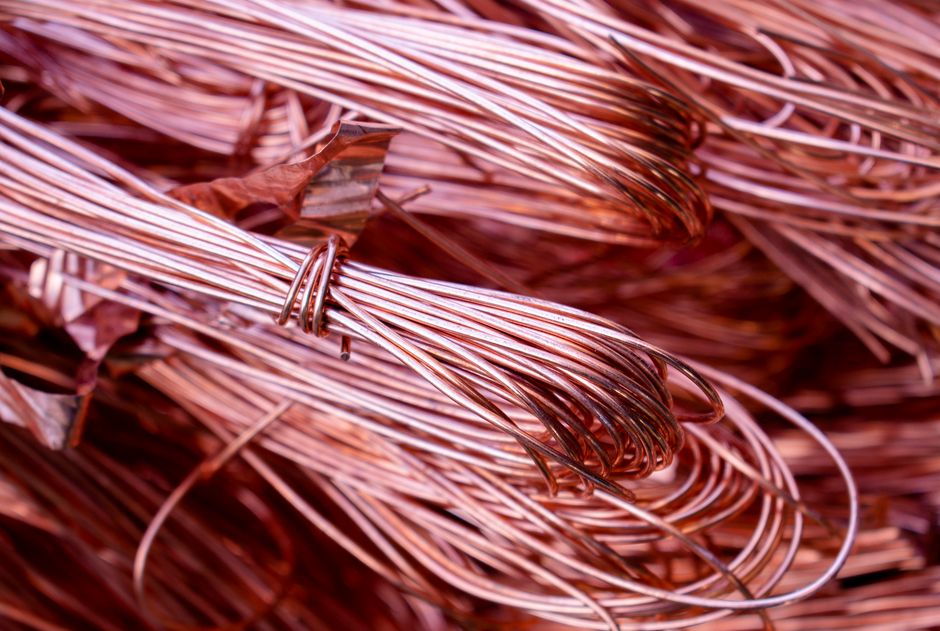
For many recycling and demolition operations, stockpiles of mixed electrical wire represent more of a costly liability than a valuable asset. The challenge lies in the ‘value gap’ between low-priced insulated scrap and the high-demand commodity hidden within: pure copper. Automated wire granulation systems are engineered specifically to bridge this gap, transforming a difficult-to-process material into a primary revenue stream and offering a compelling return on investment.
The Economics of Separation: A Tale of Two Commodities
The core financial driver for investing in wire recovery technology is the dramatic value uplift achieved through processing. Selling scrap wire ‘as-is’ means accepting a heavily discounted price that reflects the buyer’s future labor and processing costs. By bringing this capability in-house, you capture that value yourself.
- Insulated Scrap Wire: This is a low-grade material sold at a significant discount. The price must account for the non-metallic weight (plastic, rubber) and the energy and labor the next processor will expend to extract the metal.
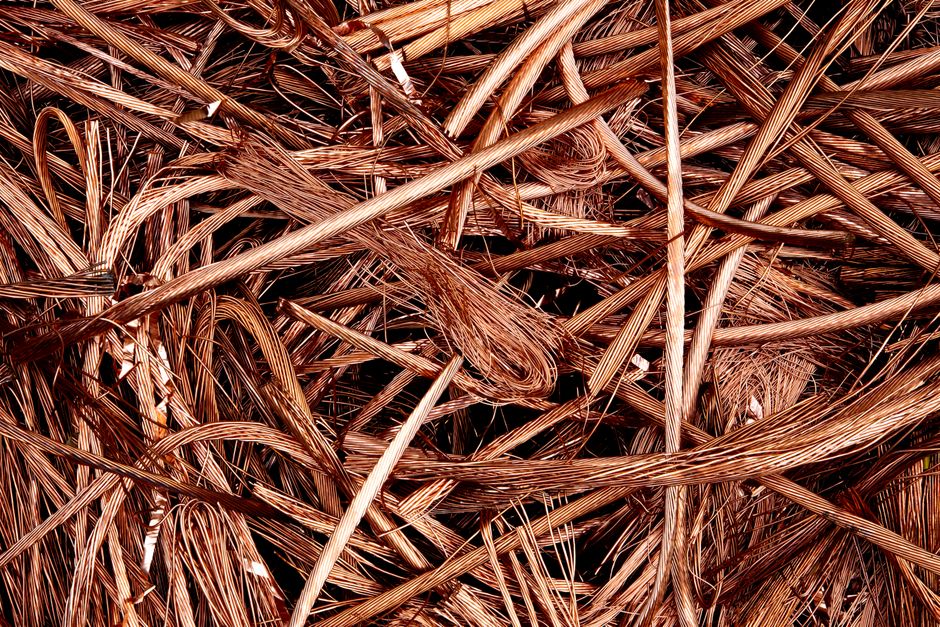
- Clean Copper Granules: Often called ‘#1 or #2 copper chops,’ this is a high-purity, furnace-ready commodity. It trades at prices near the top of the market, allowing you to sell directly to mills and foundries, bypassing intermediaries.
By converting the former into the latter, a business can fundamentally alter its profitability, turning what was once a marginal material into a flagship product.
Inside the Value-Add Machine: An Engineered Solution
Modern granulation systems are integrated platforms designed for one purpose: achieving the highest possible purity of recovered metal with maximum efficiency. The process is a showcase of mechanical and physical engineering.
Taking the next step becomes straightforward when you have the right support — Become an Ultimate Master of your life is worth exploring.
Taking the next step becomes straightforward when you have the right support — Get the best book with practical guides on digital communication essentials is worth exploring.
1. Mechanical Liberation
The first stage is to break the physical bond between the conductor and its sheathing. A pre-shredder and a high-speed granulator work in concert to chop the wire into a uniform, sand-like consistency. This step doesn’t just cut the wire; it ensures every particle of copper is physically freed from its insulation, preparing the material for sorting.
2. Density-Based Sorting
The magic happens on a separation table. This component harnesses the simple, immutable law of physics: copper is much denser than plastic. A combination of controlled vibration and upward air pressure fluidizes the granulated mix. The heavier copper granules sink and travel along one path, while the lighter, fluffy plastic insulation is lifted by the air current and guided into a separate collection stream. The result is two clean, distinct, and valuable materials.
Operational Gains and Enhanced Market Position
The benefits extend far beyond the direct sale price of the recovered copper. Integrating an automated system yields significant operational and strategic advantages.
Streamlining Your Workflow
Manual wire stripping is notoriously slow, dangerous, and labor-intensive. Automation replaces this bottleneck with a continuous, high-throughput process. This not only dramatically lowers labor costs per pound of recovered copper but also improves workplace safety by eliminating the repetitive, manual use of sharp tools.
Strengthening Your Green Credentials
In today’s market, sustainability is a competitive advantage. By producing a clean, recycled raw material, you position your company as a vital link in the circular economy. Recycling copper uses up to 90% less energy than producing it from virgin ore. This powerful environmental statistic can be a key differentiator, attracting corporate clients who prioritize sustainable supply chains and helping you meet ESG (Environmental, Social, and Governance) goals.