
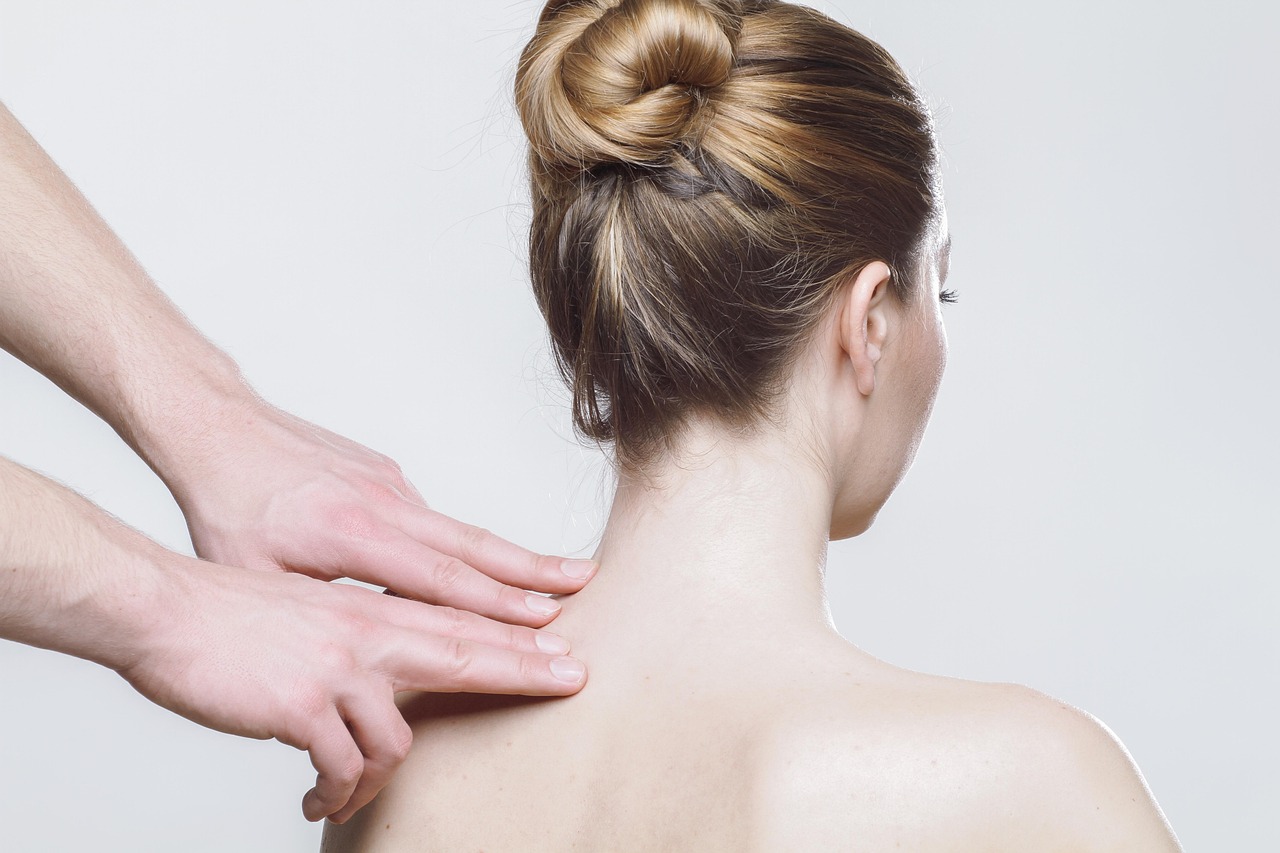
The Scalp Massage Secret to Thicker, Healthier Hair

Beyond Products: Optimizing Your Scalp’s Biological Environment
The pursuit of thicker hair is often a journey through countless products, but the most potent solution may not be in a bottle. It’s a physical intervention: manual scalp stimulation. Think of your scalp not just as skin, but as a complex biological system that can be optimized. By addressing mechanical tension and improving nutrient delivery at the source—the hair follicle—you can directly influence hair density and health. This guide explores the science and protocol for using targeted massage to create the ideal conditions for hair growth.
The Mechanism: How Physical Stimulation Unlocks Hair Potential
To understand why scalp massage works, we must look at the physiological roadblocks to healthy hair. The foundation of this technique lies in its ability to counteract two major issues: poor circulation and chronic tension.
Re-establishing Nutrient Pathways
Hair follicles require a constant supply of oxygen and nutrients to thrive. However, factors like stress and genetics can lead to vasoconstriction, narrowing the blood vessels that feed them. A consistent massage protocol acts as a mechanical pump, boosting microcirculation in the scalp. This surge in blood flow delivers vital resources directly to the follicle, strengthening the hair shaft and potentially extending its growth (anagen) phase.
Deactivating the Tension Trigger
The scalp contains a large, flat muscle called the galea aponeurotica, which is prone to holding tension. This chronic tightness can physically constrict blood vessels and create an inhospitable environment for hair follicles. Manual stimulation helps to release this deep-set tension, effectively de-stressing the scalp tissue and restoring a healthier state for growth. It’s a direct method for counteracting the physical effects of daily stress on your hair.
Taking the next step becomes straightforward when you have the right support — Get the best book with practical guides on digital communication essentials is worth exploring.
Taking the next step becomes straightforward when you have the right support — Become an Ultimate Master of your life is worth exploring.
The Core Protocol: Implementing Manual Scalp Stimulation
Consistency is more important than intensity. A short, daily session is the key to achieving measurable results. This protocol requires no special equipment, only your hands.
The Fingertip Technique: A Daily Practice
Follow these steps to perform the foundational technique correctly:
- Anchor Your Position: Sit comfortably. Place the pads of your fingers (not your nails) from both hands firmly on your scalp.
- Initiate Movement: Without lifting your fingers, apply firm but comfortable pressure and move the scalp itself in small, deliberate circles. The goal is to move the skin over the bone, not to slide your fingers across your skin.
- Systematic Coverage: Begin above your ears and methodically work your way up to the crown of your head. Then, reposition your hands at your front hairline and work backward. Finally, cover the area at the nape of your neck.
- Duration and Frequency: Perform this protocol for 4-5 minutes every day. Consistency is the most critical variable for success.
Upgrading Your Protocol: Amplifiers and Tools
Once you’ve established the basic habit, you can incorporate tools and topical agents to enhance the effects of your stimulation sessions.
Hardware: Silicone Scalp Massagers
While hands are effective, a silicone scalp massager can provide a more uniform pressure and help with exfoliation. These tools are particularly useful for distributing shampoo or oils during a massage in the shower, reducing finger fatigue and ensuring even coverage.
Synergistic Compounds: Leveraging Botanical Oils
Pairing your massage with certain oils can introduce active compounds that support scalp health. Apply a few drops to your fingertips before you begin:
- Peppermint Oil: A known vasodilator, it causes a cooling sensation that signals an increase in blood flow to the area.
- Rosemary Oil: Research has shown its efficacy for hair growth is comparable to that of 2% minoxidil, working to protect follicles from damage.
- Jojoba Oil: As a carrier oil, its molecular structure is similar to the scalp’s natural sebum, making it an excellent non-comedogenic moisturizer.
Execution and Troubleshooting: Avoiding Common Errors
To maximize benefits and prevent damage, be mindful of your technique. Proper execution ensures your efforts are productive.
Integrating the Habit
The easiest way to remain consistent is through “habit stacking.” Link your 5-minute scalp massage to an existing daily activity, such as while your coffee brews in the morning, during the first five minutes of a podcast, or while a hair mask is setting in the shower.
Critical Mistakes to Avoid
- Dragging or Scraping: Never use your nails. This can create micro-abrasions on the scalp, leading to inflammation and potential infection.
- Excessive Force: The pressure should be firm, not painful. Overly aggressive massage can inflame the follicles or even cause hair to shed.
- Inconsistency: A single, long session once a week is far less effective than short, daily sessions. The benefits are cumulative and depend on regular stimulation.
- Working Against Wet Hair: Hair is at its most elastic and fragile when wet. If massaging with conditioner, ensure there is plenty of slip to prevent snapping or pulling the strands.