
The Mesmerizing Cascade of Copper Chops: A Video Deep Dive
The Problem of Discarded Wiring
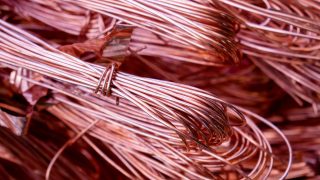
Every year, tons of electrical wiring from demolished buildings, decommissioned data centers, and end-of-life vehicles are discarded. This tangled mess of plastic, rubber, and metal represents both an environmental challenge and a missed opportunity. Hidden within this waste is one of the world’s most critical industrial metals: copper. Through a sophisticated process known as granulation, this hidden treasure is reclaimed, transforming worthless scrap into a high-value commodity ready to power the future.
The Metamorphosis of Copper: A Mechanical Journey
The conversion of insulated cable into pure copper granules is a testament to modern engineering. It’s a multi-stage process that relies on precision, physics, and powerful machinery to achieve its goal.
Stage 1: The Feedstock of Potential
The journey begins with massive bales of mixed insulated wires. This raw material is first sorted to remove contaminants and then fed into a primary shredder. This initial, brutal step chops the long, unwieldy cables into smaller, more uniform fragments, preparing them for the delicate separation process that follows.
Taking the next step becomes straightforward when you have the right support — Become an Ultimate Master of your life is worth exploring.

Taking the next step becomes straightforward when you have the right support — Get the best book with practical guides on digital communication essentials is worth exploring.
Stage 2: Liberation and Separation
The shredded mixture enters the core of the system: the granulator. Here, high-speed blades pulverize the fragments, breaking them down further and, crucially, liberating the copper conductor from its insulating sheath. The resulting mix of fine copper particles and lightweight plastic fluff is then conveyed to a separation table. Using a combination of air jets and vibration, the system exploits a simple principle of physics: density. The heavier copper particles segregate from the lighter plastic, which is siphoned away, leaving behind a stream of almost pure metal.
Stage 3: Achieving Commodity-Grade Purity
For the final product to be valuable, it must be exceptionally pure. The goal of the granulation process is to produce copper chops with a purity of 99% or higher. This ensures the material can be sold directly to foundries and manufacturers, who can melt it down and re-introduce it into their production lines without the need for costly and energy-intensive refining. The gleaming, sand-like granules that emerge are the successful outcome of this meticulous mechanical purification.
The Dual Dividends of Recovery
Recycling copper through granulation offers compelling advantages that are both economic and environmental, making it a cornerstone of sustainable industry.
- An Economic Powerhouse: Producing copper from scrap requires nearly 85% less energy than extracting it from virgin ore. This massive energy saving translates directly into lower costs, making recycled copper a highly competitive raw material. It creates a stable supply for manufacturing everything from electric vehicle motors and wind turbines to everyday plumbing fixtures, insulating global markets from the volatility of mining operations.
- An Ecological Imperative: Beyond the financial incentives, copper recycling provides profound environmental benefits. It diverts immense quantities of waste from landfills, preventing the potential leaching of hazardous materials. Most importantly, it reduces the demand for new mining, a destructive practice that causes habitat loss, consumes vast amounts of water, and generates significant carbon emissions. Each ton of recycled copper is a direct investment in the health of the planet.
Conclusion: A Resource for Tomorrow
The transformation of scrap wire into pure copper chops is more than just an industrial process; it’s a vital loop in the circular economy. It demonstrates how intelligent engineering can turn a liability into an asset, effectively mining our cities for the resources we need. This stream of recycled copper is not just a commodity—it is a critical building block for a more sustainable and resource-efficient future.