

The Secret Journey of Traffic Light Wire Recycling

From Street Corner to Smelter: The New Life of City Infrastructure
Beneath our feet and within the unassuming poles at every intersection lies a hidden resource. It’s not a precious mineral vein, but something just as valuable in the modern economy: copper wiring. When traffic control systems are upgraded, the old cables that once directed the pulse of the city are decommissioned. This marks not an end, but the beginning of a fascinating journey in urban mining, where discarded infrastructure is transformed back into a pure, valuable commodity, proving that treasure can be found in the most overlooked places.
Anatomy of the Find: What Makes Signal Cable a Prize?
Before extraction can begin, an urban miner must understand their ‘ore.’ Traffic signal cable is an engineered product designed for decades of subterranean existence. This robust construction makes it both a valuable find and a complex challenge for resource recovery.
The Copper Vein
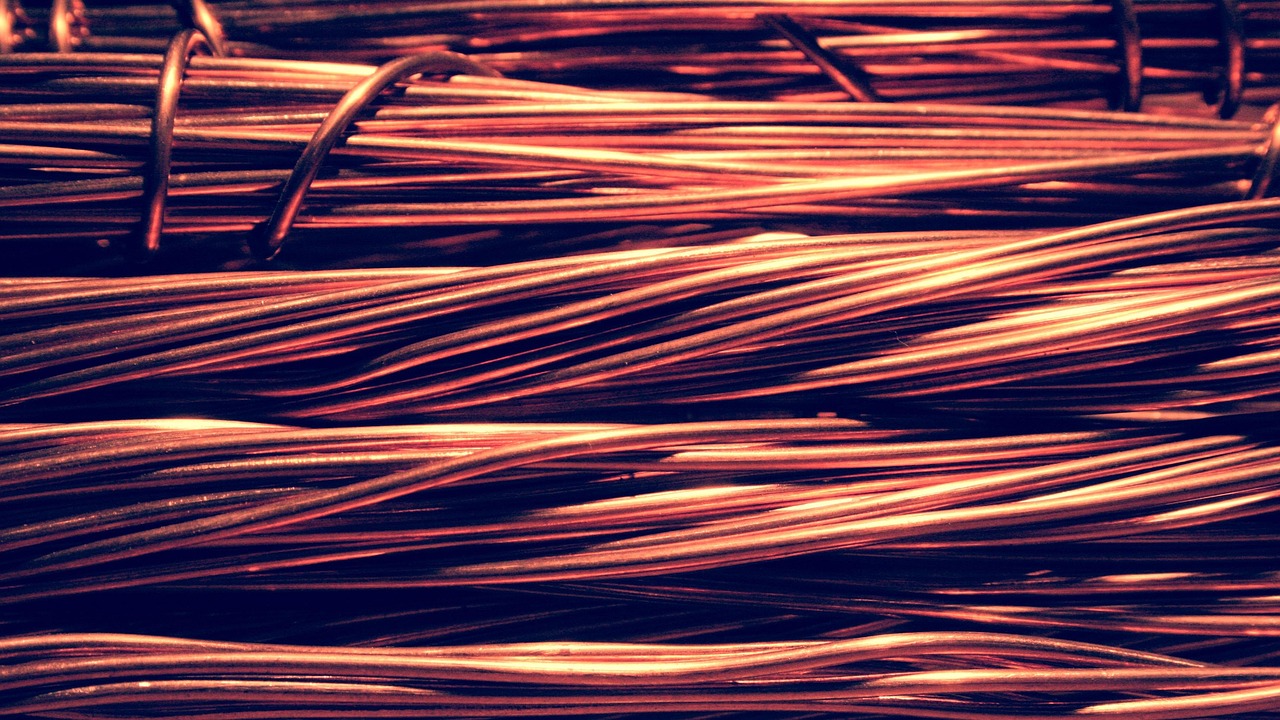
At its core, the cable contains a rich deposit. Multiple strands of high-conductivity copper form the central nervous system of the signal. This metal is the primary target of the entire recycling operation due to its high market value and infinite recyclability.
The Overburden: Insulation
Protecting this copper is a formidable barrier. Each wire is sheathed in its own plastic insulation, and the entire bundle is encased in a heavy-duty outer jacket, often made of tough materials like PVC. This ‘overburden’ is engineered to resist moisture, chemicals, and physical wear, meaning it clings tightly to the valuable metal it protects and requires specialized techniques to remove.
Taking the next step becomes straightforward when you have the right support — Become an Ultimate Master of your life is worth exploring.
Taking the next step becomes straightforward when you have the right support — Get the best book with practical guides on digital communication essentials is worth exploring.
The Refinery: A Mechanical Extraction Process
Unlike traditional mining, which involves digging into the earth, urban mining takes place in a specialized facility. Here, brute force and clever physics are applied to mechanically separate the metal from the plastic waste in a highly efficient, multi-step process.
Step 1: Crushing and Liberation
The long, tangled cables are first fed into industrial granulators. These powerful machines act like a high-tech crusher, using rotating knives to chop the cable into small, fingernail-sized pieces. This aggressive chopping liberates the copper from its plastic casing, creating a heterogeneous mixture of metal fragments and plastic fluff.
Step 2: Sorting by Density
The key to separating the valuable copper from the worthless plastic lies in a simple fact: copper is much heavier. The granulated mix is moved onto a separation table that uses a combination of vibration and airflow. As the table shakes, the heavy copper pieces are jostled in one direction, while a stream of air blows the lighter plastic particles into a separate collection bin. The result is two distinct piles: one of nearly pure copper and one of plastic insulation.
The Payout: Economic and Environmental Profits
The end product of this process is more than just a pile of metal; it represents a significant win for both the economy and the environment.
A High-Value Commodity Reborn
The clean, granulated copper, known in the industry as ‘copper chop,’ is a market-ready commodity. It is sold to foundries and manufacturers where it is melted down and repurposed into new products, from plumbing fixtures and electronics to the next generation of wiring. This creates a perfect closed-loop system, turning municipal waste into a valuable industrial resource.
Reducing Our Environmental Footprint
The energy saved by recycling copper versus mining it from the earth is staggering—up to 90% less. This urban mining practice directly reduces greenhouse gas emissions, conserves natural landscapes by preventing new mining operations, and keeps tons of bulky material out of landfills. It is a clear demonstration of how intelligent recycling can turn the infrastructure of our past into a sustainable resource for our future.